From Family Tradition to Global Shelf: How to Scale a Cultural Product Without Losing Its Roots
August 19, 2026
What if the key to launching a global product wasn't about reinventing the wheel, but bringing an authentic cultural tradition to an entirely new market?
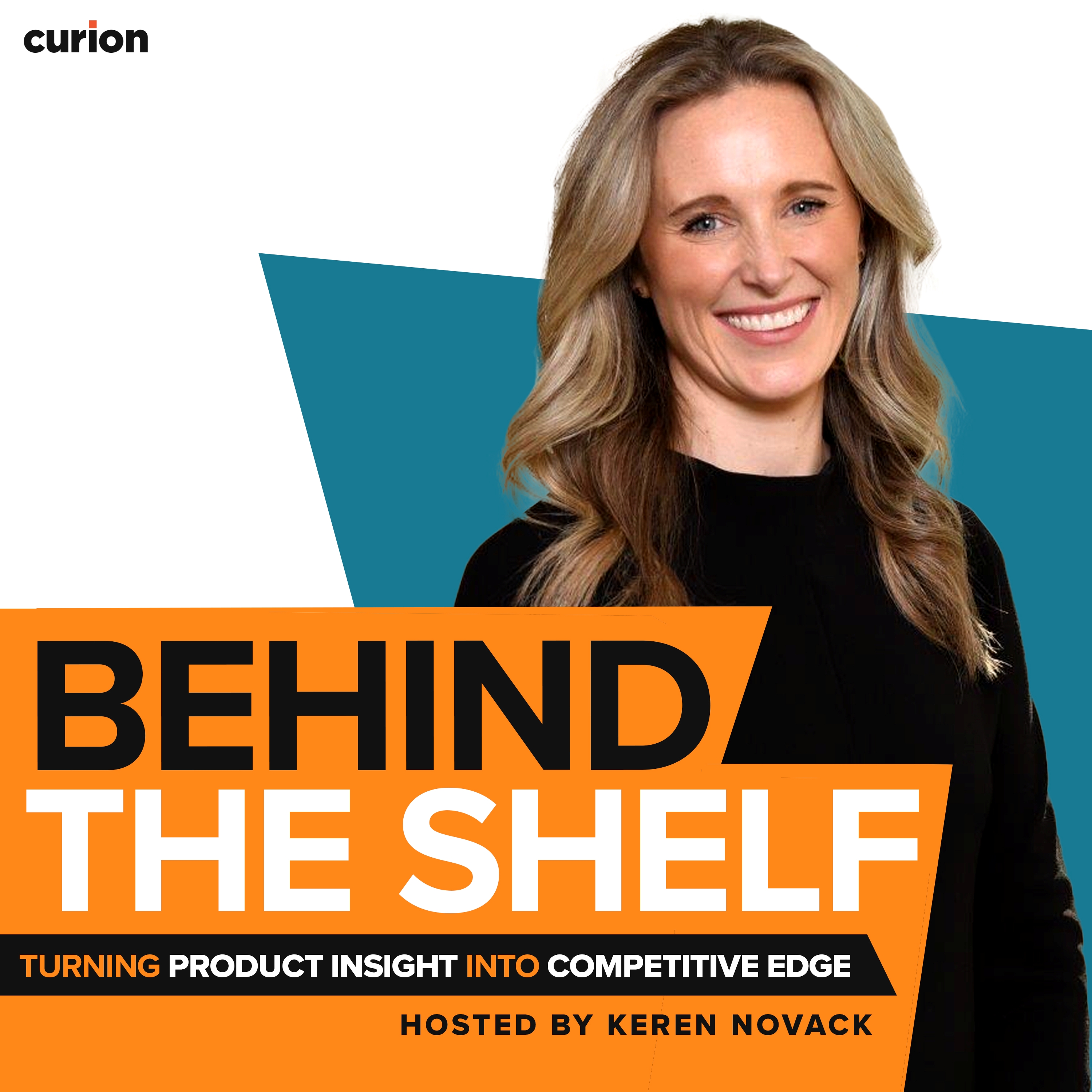
In this episode of Behind the Shelf, Keren Novack sits down with Roger Velasquez, Co-Founder of The Purple Drop, about introducing chicha morada, a traditional Peruvian drink made from purple corn, to American consumers. Roger shares the realities of moving from a family kitchen to the retail shelf, from sourcing the right ingredients and preserving traditional methods to educating consumers and winning over retail buyers.
They explore why branding may earn the first purchase, but product experience earns the second, and how sampling, storytelling, and social media can turn unfamiliar flavors into lasting habits. The conversation also examines sustainability, consumer behavior, and the countless operational decisions required to scale a heritage product without compromising its identity.
What if the key to launching a global product wasn't about reinventing the wheel, but bringing an authentic cultural tradition to an entirely new market?
In this episode of Behind the Shelf, Keren Novack sits down with Roger Velasquez, Co-Founder of The Purple Drop, about introducing chicha morada, a traditional Peruvian drink made from purple corn, to American consumers. Roger shares the realities of moving from a family kitchen to the retail shelf, from sourcing the right ingredients and preserving traditional methods to educating consumers and winning over retail buyers.
They explore why branding may earn the first purchase, but product experience earns the second, and how sampling, storytelling, and social media can turn unfamiliar flavors into lasting habits. The conversation also examines sustainability, consumer behavior, and the countless operational decisions required to scale a heritage product without compromising its identity.
What you will learn:
- Why branding earns the first purchase, but product experience drives repeat purchase
- The sourcing reality behind "authenticity as non-negotiable"
- How to educate consumers without alienating retail buyers
- The "Say-Do Gap" in sustainability and convenience
- Why cultural products require a different go-to-market playbook
- The million tiny decisions that happen behind the shelf
Roger Velasquez is a senior media and growth leader with 18+ years of experience building integrated marketing ecosystems for global brands and high-growth businesses. He has led multi-million-dollar investments across CTV, social, search, commerce, sponsorships, and platform partnerships, helping brands accelerate growth through data, creativity, and channel intelligence. Roger is also Co-Founder and Fractional CMO of Purple Drop, a Peruvian purple corn beverage rooted in functional wellness and Latin heritage. He focuses on building culturally grounded, consumer-centric strategies that turn marketing into measurable, repeatable business results.
Episode Resources:
- Roger Velasquez on LinkedIn
- The Purple Drop Website
- Keren Novack on LinkedIn
- Curion Insights Website
- Curion Webinars and Podcasts
- Behind the Shelf on Apple Podcasts
- Behind the Shelf on Spotify
- Behind the Shelf on YouTube
Episode Highlights:
- [01:14] The Invisible Work Behind Every Product on the Shelf
Roger reveals that every successful product is built on hundreds of decisions consumers never see; from formulation iterations and supplier negotiations to production challenges, distribution logistics, and late-night doubts. For founders and product leaders, the lesson is simple: marketing is only one part of the journey. Before scaling demand, brands need reliable sourcing, consistent production, and a product that works. Operational excellence isn't behind growth; it's what makes sustainable growth possible.
- [08:09] Why Regional Sourcing Can Become Your Moat
Roger explains why Purple Drop sources its purple corn exclusively from Peru, where regional soil, farming practices, and seasonality influence both flavor and nutritional properties. For CPG leaders, authenticity becomes more than a brand story; it becomes a defensible competitive advantage. While sourcing locally or switching suppliers may appear easier, preserving ingredient specificity can strengthen differentiation, support premium positioning, and give brands a credible reason for consumers and retailers to choose them.
- [11:37] Your Brand Gets the First Purchase. Taste Gets the Second.
Roger shares a powerful two-stage framework: branding creates curiosity and earns the first purchase, but product experience determines whether consumers return. This is particularly important when introducing unfamiliar global flavors, where expectations can differ dramatically from reality. Purple Drop's experience shows that consumers may initially say, "not what I expected," but return when the taste delivers. For emerging categories, exceptional product experience must ultimately validate the brand promise.
- [14:56] Scaling Without Sacrificing What Makes You Authentic
Roger describes the difficult choices involved in scaling a cultural product while protecting its identity. For Purple Drop, sourcing Peruvian purple corn and preserving traditional brewing methods remain non-negotiable, while alternative formats such as powders or concentrates offer room to adapt. The broader lesson for CPG founders is to identify which ingredients and processes define cultural authenticity and competitive advantage, then find flexibility everywhere else. Scaling doesn't require abandoning what makes the product distinctive.
- [16:37] Education Can Turn Curiosity Into a Buying Habit
Roger explains why education is essential when introducing consumers to an unfamiliar category. Sampling, social content, retailer education, and demonstrations help answer basic questions and give consumers reasons to incorporate a new product into their routines. For Purple Drop, showing different consumption occasions, from cocktails to everyday meals, helps transform chicha morada from an unfamiliar Peruvian drink into a versatile beverage. Education, Roger argues, isn't simply marketing support; it's part of the distribution strategy.
- [00:23:43] Why Sustainability Often Loses to Convenience
Roger highlights a significant gap between what consumers say they value and what actually influences their purchases. Despite strong stated interest in sustainability, conversations at consumer events showed that it rarely becomes a priority unless someone prompts the discussion. For CPG brands, the implication is clear: lead with the benefits consumers actively seek- taste, experience, health, or authenticity, and make sustainability a supporting layer. Values can strengthen loyalty, but they don't necessarily drive initial trial.
Quotes:
- "Every product has a story behind the shelf that consumers don't get to see. We see years of decisions, sacrifices, hundreds of little choices and decisions that got us here."
- "I think seeing the global trend to some of the trends on the consumer here in the United States, the appetite for more global flavors, the fact that people are leaning more into the health-better-for-me drinks as well. One of the things that Purple Drop has is that it actually has 10 times the antioxidants than blackberries."
- "Authenticity wasn't negotiable for us. We weren't interested in creating a purple-inspired new drink. It was like, let's bring Chicha Morada from the way we drink it and bring it to a new market."
- "A 100 a 100 percent. And I think that was always on the back of our heads. Like, even when we got our first taste out of coming out of the brewery, are we doing it right? It does just taste like my mom's recipe that she has perfected over the years."